Consumerism.Decisions outsourced
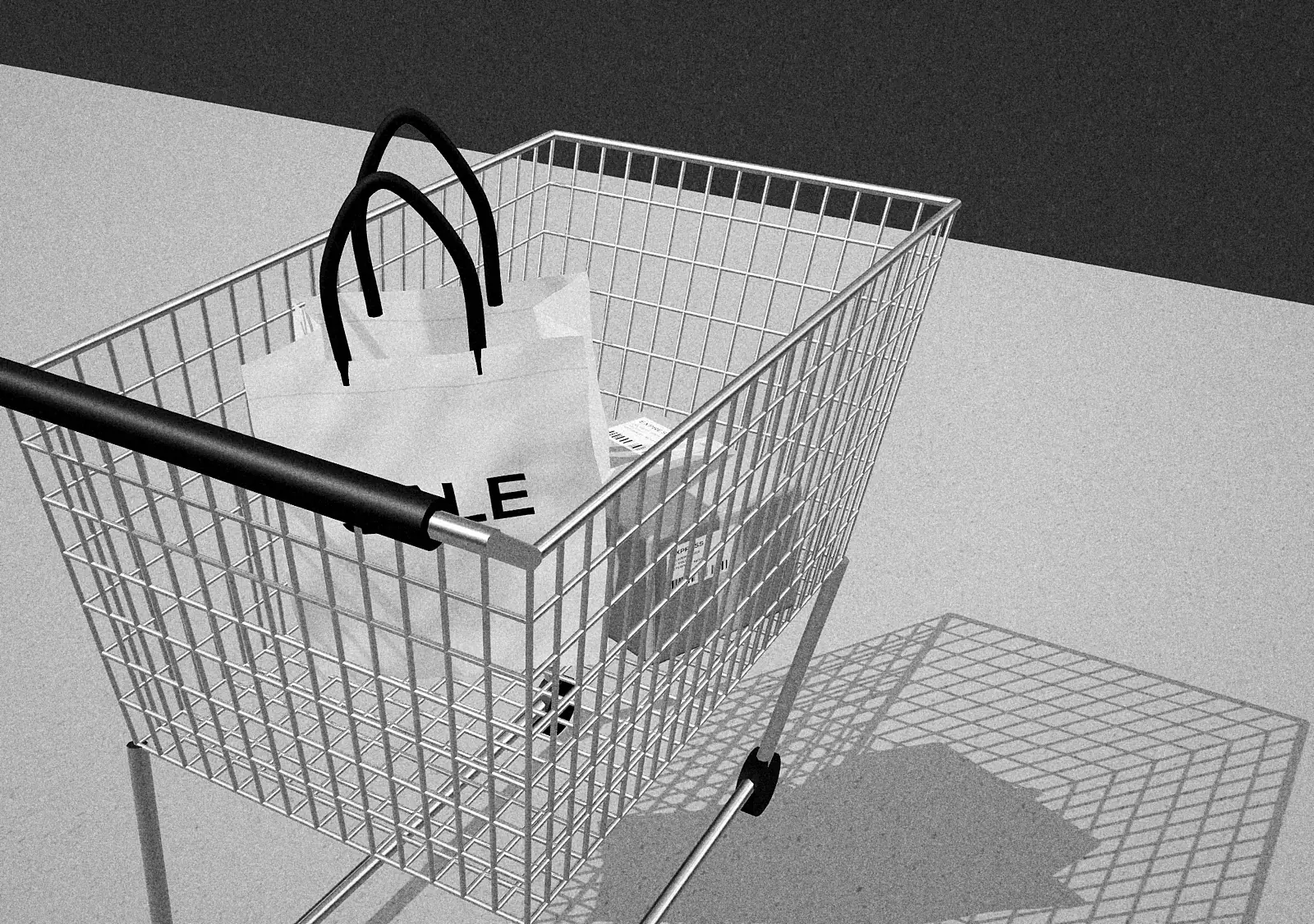
Black-and-white photograph of three paper shopping bags printed MORE., NEW NOW and YOU NEED THIS.

Consumerism.
Decisions outsourced.

Youth Exchange · 8–17 April 2027
Platania, Lamezia Terme · Calabria, Italy

You’re in. Tear the ads off the wall — what’s underneath is for you.Everything you need before 8 April 2027, in one place.

Grab a corner, pull, let go. On a phone: drag the folded corner, or tap it.

  1. 1 Sign the learning agreement
  2. 2 Get your travel approved
  3. ? Questions

What is this, really?

Every day you make choices that feel small and private: what to buy, what to subscribe to, what to upgrade, what to keep. Repeated for years, they quietly shape your routines, your money, your idea of success — and your future options.

Most of the time it doesn’t feel like choosing. It feels like reacting: to a trend, a notification, a “last chance”, an ad you didn’t notice you saw. Estimates put it at 6,000 to 10,000 ads a day; in the 1970s it was a few hundred.

For eight days in the hills of Calabria, 35 young people from five countries will take that system apart — advertising, algorithms, money, mood, the planet — and practise the unglamorous skill of pausing before you pay. Then you’ll take what worked back home.

It is

  • A non-formal learning exchange: workshops, simulations, role play, case studies, visual mapping, group work.
  • Honest and non-judgemental. Nobody is here to shame your shopping habits — including the organisers’.
  • Hands-on: second-hand, repair, upcycling and the right to repair, not just talk about them.
  • Recognised: you leave with a Youthpass certificate.

It isn’t

  • A holiday. Calabria is beautiful, but there are no organised tours. Explore before or after, on your own time and budget.
  • A lecture. No classroom, no exams, no English test. You learn by doing, arguing, making and reflecting.
  • A luxury trip. Simple, comfortable rooms and good food. The budget goes to the essentials — fittingly.
  • Optional. Signing up means taking part in every session.

Seven things we’re after

  1. See the system. Consumerism as a social system that shapes routines, identities and ideas of success — not a personal failing.
  2. Spot the influence. How ads, recommendation algorithms and social media use emotion, rewards and comparison to make overconsumption feel normal.
  3. Pause on purpose. Notice which choices are automatic — stress, boredom, belonging — and build simple ways to question them.
  4. Count the cost. How subscriptions, small daily spending and impulse buys add up to financial pressure and anxiety.
  5. Try the alternatives. Ethical production, second-hand, reuse, upcycling and the right to repair.
  6. Make it public. Link your everyday habits to European debates on consumer rights, regulation and shared responsibility.
  7. Keep working together. Five organisations building shared methods for this topic after the exchange ends.

The week, day by day

Flip a tag. The order of sessions can still shift — the final timetable comes with the preparation meeting.

  • Travel day. We collect you at Lamezia Terme airport and drive you up to the base. Dinner, keys, sleep.

  • Opening, the programme and how non-formal learning works. Erasmus+ and Youthpass. Name games, trust and team building. We write the group agreement together and end with your expectations.

  • Ads, social media, subscriptions and trends, taken apart. Emotional targeting, scarcity (“only 2 left”), reward loops and recommendation algorithms. Patterns, not blame.

  • Small recurring costs, subscriptions, impulse buys and lifestyle inflation. Simulations show how little things add up — and what that does to saving and independence.

  • Social comparison, perfect online lives, self-worth tied to owning things. Buying as a way to handle stress or boredom, and the work–consume cycle. Case studies and role play.

  • Production chains, fast fashion, textile and electronic waste. Then the alternatives: ethical production, second-hand, reuse, upcycling, repair — and the right to repair.

  • Corporations, regulation, lobbying and public policy. Your consumer rights in the EU: information, sustainability standards, repair. Where individual choices meet collective action.

  • Strategies that actually work against impulse buying and ad overload. We build simple decision-making tools and swap what already works for you. Realistic, not perfect.

  • Evaluation and reflection, Youthpass learning outcomes, what’s next with Erasmus+ and the European Solidarity Corps. Closing session and goodbyes.

  • Travel day. Transfer back to Lamezia Terme airport. Keep every ticket and boarding pass.

Also in the week: a cultural or local visit that looks at how things used to be produced and traded here, intercultural nights, daily reflection groups and some free time.

5 countries: Italy, Bulgaria, Serbia, Spain, Romania

35 of you: 6 participants (18–30) + 1 group leader per country, plus 2 facilitators

8 working days, plus an arrival and a departure day

4 people per room, mixed nationalities

Who is behind it

The Mobility Lab Italy · host

A young group from Lamezia Terme working on international, national and local youth projects. Led by Chiara Molinaro (president, videomaker, your coordinator for logistics) and Martina Nardone (facilitator and youth worker, non-formal education and intercultural inclusion).

Sapere Aude Bulgaria Bulgaria · co-coordinator

An NGO for critical thinking, digital ethics and active citizenship. Andrey Kostov coordinates the programme and facilitates — ask him anything about the content.

OKK “Junior” Niš, Serbia

A youth basketball club since 1997, working on inclusion and healthy lifestyles.

Ayuntamiento de Bétera Valencia, Spain

The municipality of Bétera — and, fittingly, its councillor for consumer affairs and youth.

ADE Pitești, Romania

Asociația “Acționăm. Dăruim. Educăm.” — act, give, educate.

Where you’ll live

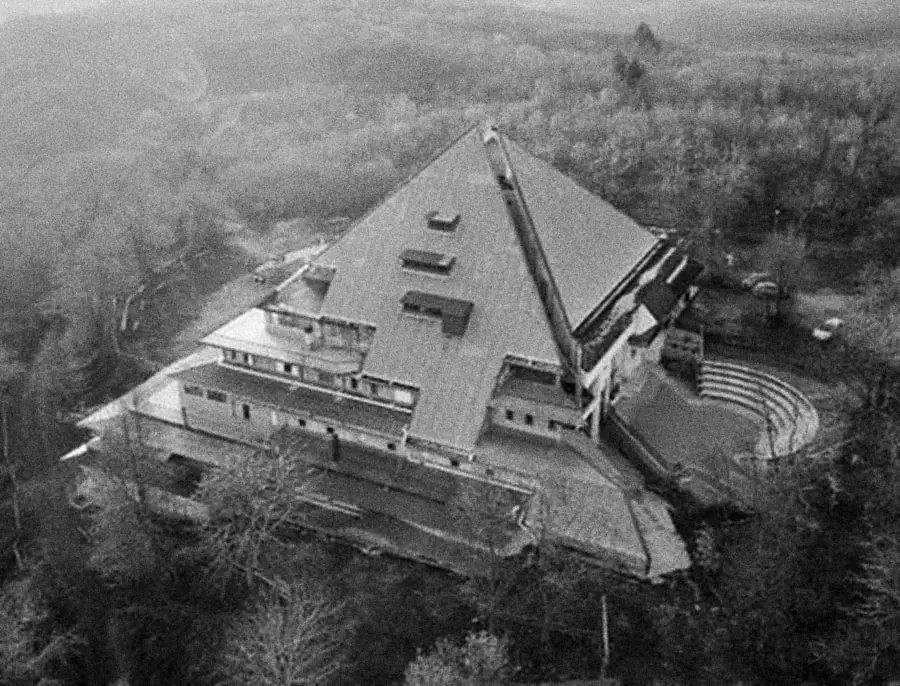
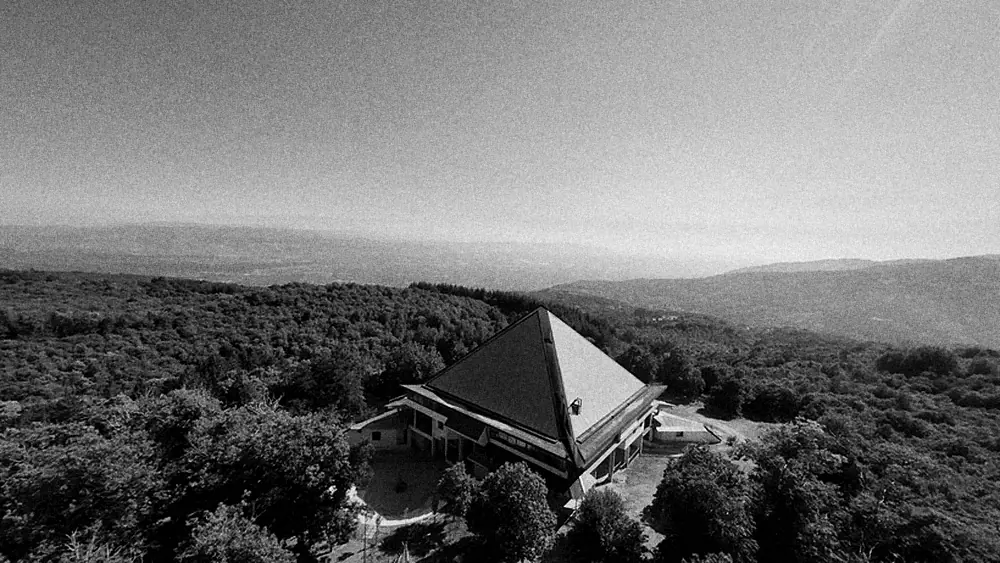
Domus Bethaniae, also known as Base Scout Don Saverio Gatti, in Località Colle Zingari, Platania (province of Catanzaro) — up in the chestnut woods above Lamezia Terme. It was started in the mid-1960s by young people from Lamezia with a local priest, and has hosted scouts and youth groups ever since.

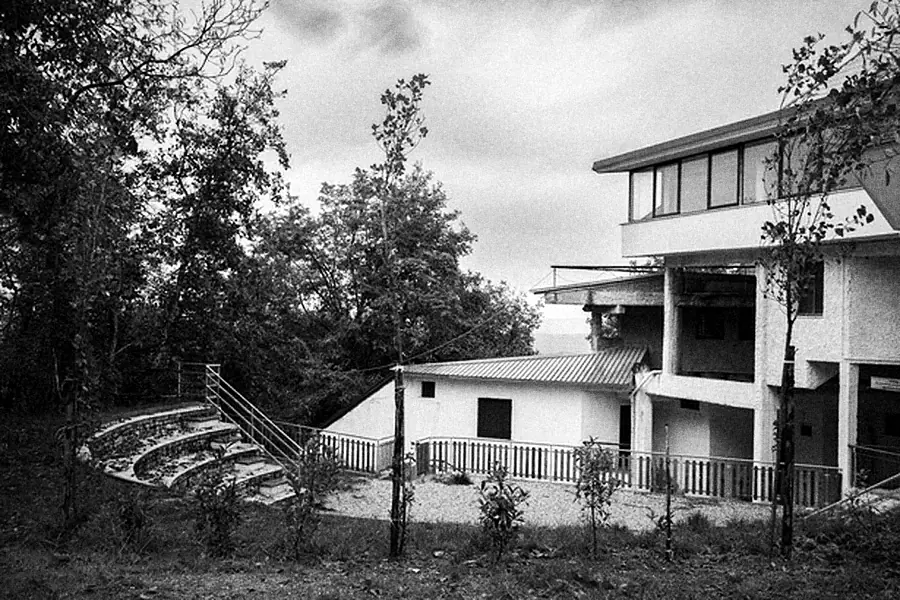
Three buildings on about 5,000 m²: equipped kitchen, wood-fired oven, bathrooms (including accessible ones), heating, a chapel, a large hall and two outdoor amphitheatres. Quiet, cool, family-like, simple and clean. Rooms are for four people, mixed nationalities — that’s on purpose.

Open the venue in Maps

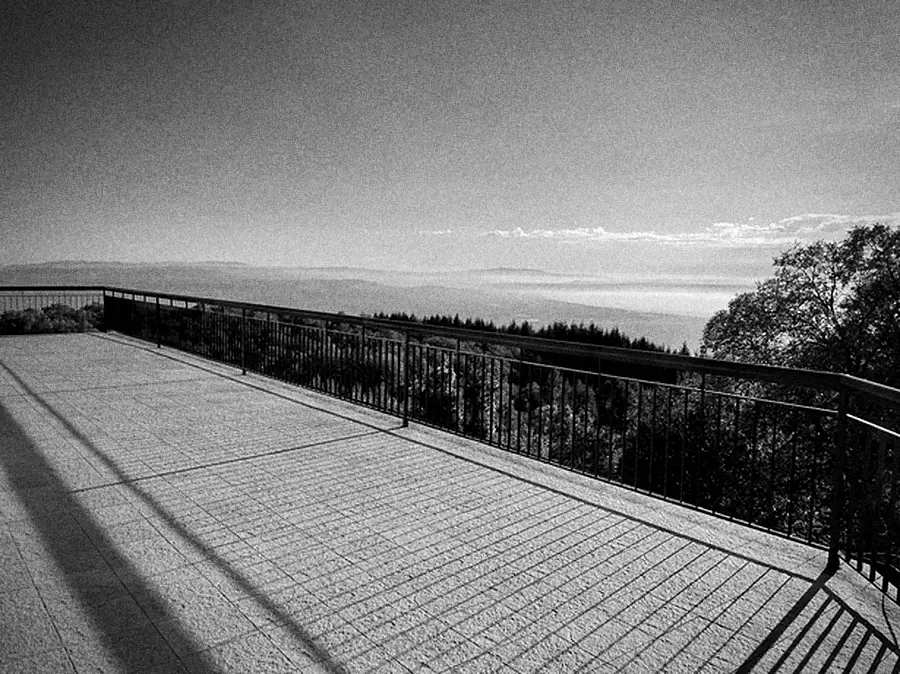
Aerial photograph of the base: a pyramid-roofed building among trees, with an amphitheatre beside it. The main building with terraces and a stone amphitheatre in front. A wide terrace with a railing, looking over wooded hills towards the sea.

Before you go.

Eleven things, roughly in this order. Tick them off here — the ticks stay in this browser only.

0 of 11 done

  1. Everything in one document: venue, travel, budget, contacts. Open the info-pack

  2. Your details, food and health needs, expectations, and your commitment to take part. About 10 minutes. Fill it in

  3. One group for all five teams — updates, reminders, early hellos. Join the group

  4. One with your national team and one international meeting with everyone. Your group leader sends the dates.

  5. Route, times and price, to your sending organisation and to Chiara. Do not buy anything before it is approved. How travel works

  6. Tickets, invoices, booking confirmations, boarding passes (both ways). Without them we can’t reimburse you.

  7. Valid for the whole trip. Serbian participants: biometric passport — see entry rules.

  8. From an EU country? Bring your European Health Insurance Card (EHIC). Your sending organisation tells you how travel insurance is arranged.

  9. Each team presents a piece of its culture in a fun, informal way: small traditional snacks that travel well, music, photos, optional traditional clothing or small items.

  10. At least one laptop per national team (a tablet is fine too).

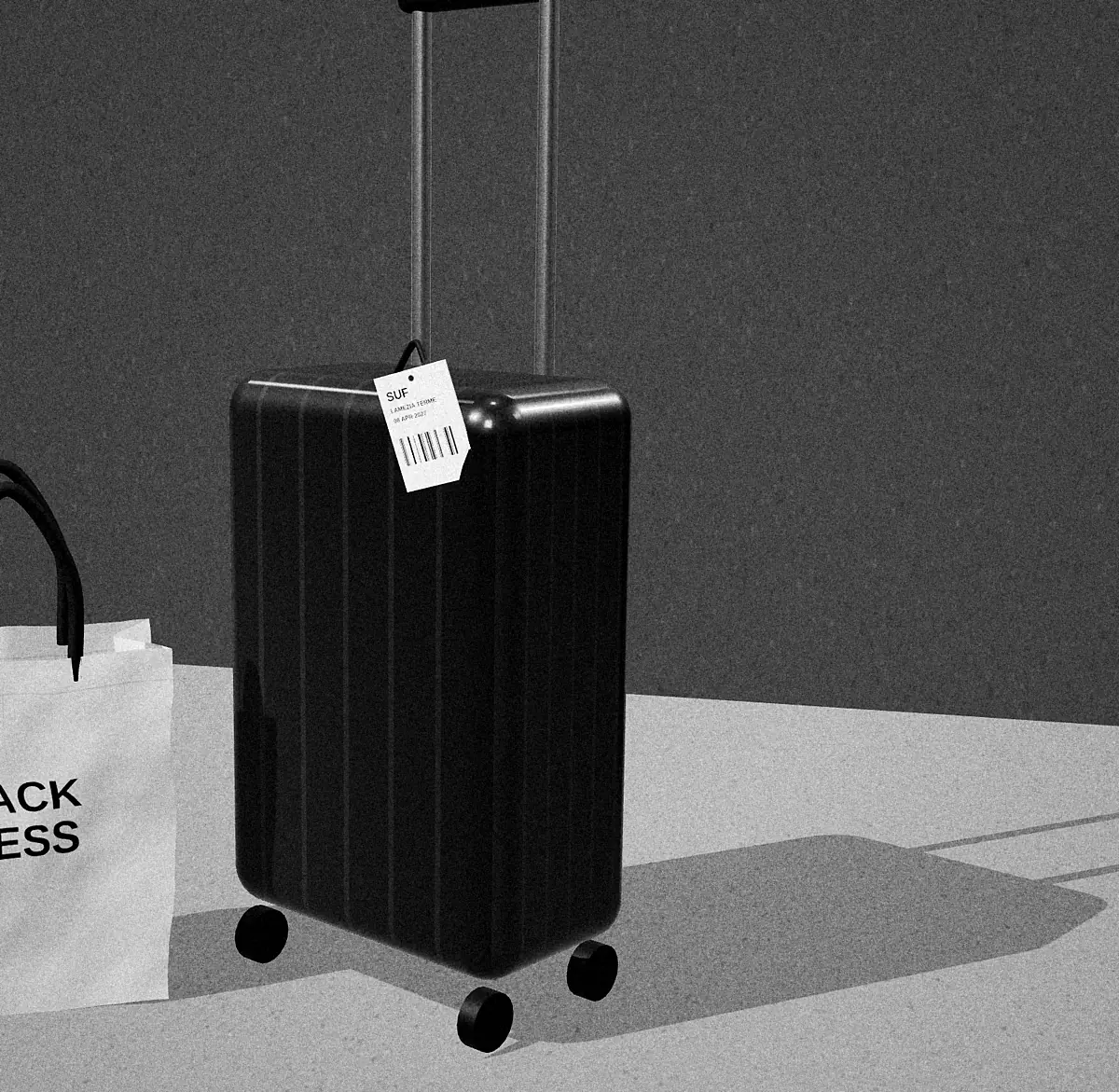
  11. Layers, a warm jacket, comfortable shoes. Luggage check

Getting there.

Arrive Thursday 8 April 2027. Leave Saturday 17 April 2027.

  1. Fly to Lamezia Terme (SUF). The airport is the easiest way in. Airport in Maps
  2. Or come via Reggio Calabria, Naples or Bari. If flights to Lamezia are complicated, these airports work too; continue by train to Lamezia Terme Centrale, which is a short hop from Lamezia airport. Check the connection before you send your plan.
  3. We pick you up. From Lamezia Terme airport there is an organised transfer up to the base.

The one rule

Don’t buy any ticket until your sending organisation and our team have approved your travel plan. Send it by email to themobilitylab3@gmail.com, or through your sending organisation. Once it’s approved, buy it, and keep every document.

Travel budget, per person

TeamSending organisationDistance bandMaximum
BulgariaSapere Aude Bulgaria500–1,999 km€309
SerbiaOKK “Junior”500–1,999 km€309
SpainAyuntamiento de Bétera500–1,999 km€309
RomaniaADE500–1,999 km€309
ItalyThe Mobility Lab (host)10–99 km · green travel€56

The amount is the maximum under the Erasmus+ Programme Guide, for the round trip, against real costs — not a lump sum for leisure or extra trips. Travel by the most direct, economical route. Group leaders are included in these amounts.

Weather

April in Lamezia Terme: around 8–10 °C at night and 15–16 °C in the day. The base is higher up in the woods, so evenings feel cooler. Bring layers, a warm jacket and comfortable shoes.

Time

Italy is on Central European Summer Time in April — the same as Serbia and Spain, one hour behind Bulgaria and Romania.

Money

Euro. Cards work in most places; keep a little cash for small shops and cafés. Programme, room, meals and the airport transfer are covered.

The small print.

Five short guides. Nobody reads the small print — these are worth it.

Travel safe

On the way

  • Plan carefully, book early, and keep a back-up plan for delays.
  • Share your itinerary with your group leader and the organisers.
  • Travel with your team whenever you can — safer and more fun.
  • Carry a small first-aid kit and your own medication.
  • Trust your instincts. Report anything suspicious to your group leader.

Exploring on your own

  • Tell your group leader or a friend where you are going.
  • Split your cards and cash across two places.
  • Book any extra nights in advance and check reviews.
  • In the woods around the base: don’t go alone, and not after dark.

Your things

  • Keep a copy of your ID or passport, on paper and online.
  • Use lockers or safes where there are any; carry only what you need.
  • Busy stations and trains are where pickpockets work. Bag in front, phone in your hand, not your back pocket.

Online

  • Avoid public Wi-Fi for banking; use mobile data.
  • Don’t post your room, your documents or your live location. Check photos for details before you share.
  • Ask before you post someone else’s face.

If something goes wrong

  • Emergency: 112, everywhere in the EU, free.
  • Lost passport or legal trouble: your embassy in Rome (see Emergency).
  • Save your emergency contacts as “ICE” and set up your phone’s emergency info.

Delayed or cancelled?

  • Tell your group leader and Chiara first — don’t buy a new ticket without us.
  • EU passenger rights can give you meals, a hotel or re-routing when flights are badly delayed or cancelled. Keep every receipt.

Food

  • Allergies? Carry a card in Italian: “Sono allergico / allergica a …” (I am allergic to …).
  • Watch out for tourist-trap scams near big sights; if a deal looks too good, it is.

Luggage check

Don’t buy anything new for this trip. Borrow, reuse, pack light. Ticks stay in this browser. 0 packed.

Documents
For the journey
You
For the programme

Code of conduct

  1. Respect others. Participants, facilitators, staff and local people. Diversity is the point; stay open to other views.
  2. Take part. Every session, on time, with your phone away. Participation in all activities is mandatory — it’s what you signed up for.
  3. You can step back. Money, stress and self-image are personal topics. You never have to share more than you want. Stepping out of a discussion is allowed; tell a facilitator.
  4. Safety and well-being. Follow the safety rules and emergency procedures. Report injuries, incidents or worrying behaviour to a group leader or the organisers.
  5. Alcohol, tobacco, drugs. Follow Italian law and house rules. No alcohol during programme hours or whenever it affects your participation or the group. Illegal substances: no.
  6. Your belongings. Look after your things and keep shared spaces tidy.
  7. Phones and photos. Personal use in breaks. Ask before you photograph or film someone, and respect a “no”.
  8. The house. Treat the base with care — damage can become your cost. Keep quiet hours, sort your waste, waste less food.
  9. Disagree well. Speak honestly and kindly, solve conflicts fairly, and ask a facilitator for help when you need it.
  10. Zero tolerance. Discrimination and harassment of any kind are not tolerated and can mean leaving the project.

Breaking these rules can lead to a warning, a conversation with your sending organisation, or — in serious cases — removal from the project, which can affect your travel reimbursement.

Welcome to Calabria

Calabria is the toe of Italy’s boot: two seas, mountains right behind the beaches, and a strong sense of hospitality. It is not the postcard Italy of Rome and Venice, and that’s the good part.

“Is it all pizza and pasta?”

Pasta, yes. But also peperoncino in almost everything (Calabria loves chilli), ’nduja (a spicy spreadable salami), red onions from Tropea, local cheeses, bergamot and liquorice. If you’re vegetarian or vegan, say it clearly and early: a “vegetable” sauce can start with meat stock. Allergies go in your learning agreement — and repeat them to the kitchen.

Breakfast is small, dinner is late

A typical Italian breakfast is sweet and quick: a pastry and a coffee. Lunch is around 13:00, dinner often after 20:00. The programme has its own timetable, but outside it, expect late evenings.

Coffee is a ritual, not a drink to carry

“Un caffè” is an espresso, drunk standing at the bar in a minute. Cappuccino is a morning thing. Nobody will stop you ordering one at 16:00, but someone will notice.

Greetings

A handshake with new people. Friends greet with a kiss on each cheek. When in doubt, follow the other person’s lead.

Loud isn’t angry

People talk with their hands and their voices carry. Most of the time it’s enthusiasm, not an argument.

Time

Socially, a little flexibility is normal. In the programme it isn’t: sessions, meals and transport depend on the whole group, so be on time.

Shops close in the afternoon

Many small shops close for a few hours in the early afternoon and on Sundays. Plan around it — or take it as a hint.

Churches and the chapel

Shoulders and knees covered, voices low. The base has a chapel; treat it as someone’s sacred space, whatever you believe.

Bills and tips

A small “coperto” (cover charge) on a restaurant bill is normal. Tipping isn’t expected; rounding up is a nice gesture.

Waste is sorted

Italy takes separate collection (raccolta differenziata) seriously, and so will we: paper, plastic, glass, organic, the rest.

Ten words

Ciao
Hi / bye (informal)
Buongiorno · Buonasera
Good morning · good evening
Grazie
Thank you
Per favore
Please
Scusa · Scusi
Sorry / excuse me (informal · polite)
Sì · No
Yes · no
Quanto costa?
How much is it? (use it less than usual this week)
Non mangio carne
I don’t eat meat
Sono allergico / allergica a …
I’m allergic to …
Aiuto!
Help!

Be curious, not loud. If something feels confusing, ask the organisers first — it saves misunderstandings.

Emergency

112

Police, ambulance, fire — anywhere in the EU, free, from any phone. In Italy the old numbers (113 police, 118 ambulance, 115 fire) still work.

Then tell your group leader and the organisers.

The organisers

Chiara Molinaro — coordinator, logistics and emergencies
themobilitylab3@gmail.com

Andrey Kostov — coordinator and facilitator, programme
kostov@sapereaudebg.org

On site there is always a first-aid kit, a named person for health matters, and a car for emergencies.

Health

Pharmacies have a green cross; one is always on night duty (farmacia di turno). The nearest hospital with an emergency department (pronto soccorso) is in Lamezia Terme.

Your embassy in Rome

For lost or stolen passports, legal trouble or evacuation.

After you’re home.

The exchange ends on 17 April. The project doesn’t. Seven things to close it properly — and to get your travel money back.

0 of 7 done

  1. Ten honest minutes. It shapes the next project and our report. Evaluation form

  2. You get access on the last day. Complete your self-assessment soon after, then download the certificate. What is Youthpass?

  3. With your group leader, share what you learned — tools, reflections, Erasmus+ — with peers or your community, within one month of coming home. What counts

  4. Posts, stories or a short video on Instagram, TikTok or YouTube, through your organisation and — only if you want — your own profile.

  5. Put photos, screenshots, videos, slides and the attendance list in your country’s folder on Drive, then report the activity in the short form. Dissemination folder Report the activity

  6. Bank details plus every ticket, invoice and boarding pass. Reimbursement form

  7. Add the exchange and your Youthpass to your CV or LinkedIn. Look for your next exchange or volunteering on the European Youth Portal.

Questions? Take one.

Tear off a strip to read the answer. Or type what you’re wondering about.

Do I need a visa?

From Italy, Bulgaria, Spain or Romania: no — your national ID card or passport is enough, as long as it’s valid for the whole trip.

From Serbia: no visa for stays of up to 90 days, but you need a biometric passport. At your first Schengen border your fingerprints and photo are taken for the EU’s Entry/Exit System. The EU also plans ETIAS, a short online travel authorisation for visa-free travellers; check travel-europe.europa.eu before you book, and your group leader will confirm what applies in April 2027.

Can I arrive earlier or stay longer?

Usually yes, if you ask in advance and it’s approved together with your travel plan. Extra nights, food and transport are on you, and the travel budget stays the same. Check that your insurance covers the extra days.

Which airport should I fly to?

Lamezia Terme (SUF) — that’s where the transfer to the base leaves from. If it’s complicated or expensive from your city, Reggio Calabria, Naples and Bari are options, continuing by train to Lamezia Terme Centrale. Send the full plan before you buy.

What if my flight is delayed or cancelled?

Tell your group leader and Chiara straight away, and don’t buy a replacement ticket without us. Under EU passenger rights the airline may owe you meals, a hotel or re-routing — ask at the desk and keep every receipt.

Do I need travel insurance?

You must be insured for the whole trip. From an EU country, bring your European Health Insurance Card (EHIC). Your sending organisation explains how travel insurance is arranged for your team — ask your group leader if you’re not sure.

Will my phone work?

SIM cards from EU countries roam in Italy at home prices. Serbian SIM cards: check your operator’s EU roaming package before you leave. Switch roaming on before you cross the border, and download offline maps.

Will my charger fit?

Italy uses 230 V and plug types C, F and L. Slim two-pin (Europlug) chargers fit everywhere. Thick round Schuko plugs don’t fit every Italian socket — a small adapter solves it.

Is there a participation fee?

No. Accommodation, three meals a day with coffee breaks, the programme, materials and the airport transfer are covered by Erasmus+. You pay for anything personal you choose to buy.

How much travel money do I get back?

Your real travel costs, up to €309 per person for Bulgaria, Serbia, Spain and Romania, and up to €56 for the Italian team (green travel). Only for the approved route, and only against original documents.

When will I be reimbursed?

After the exchange, once you’ve sent the reimbursement form with all documents and completed your evaluation and dissemination. When everything is checked, the money arrives by bank transfer.

Which documents do I need for reimbursement?

For every part of the journey, both ways: the ticket or booking confirmation, the invoice or receipt showing the price, and boarding passes for flights. Proof of payment (card or bank statement) helps. Taxis and extra trips aren’t covered unless we agreed them first.

What currency? Can I pay by card?

Euro. Cards are accepted in most shops and cafés; small places may prefer cash, so carry a little. Cash machines are called “Bancomat”.

Who will I share a room with?

Rooms are for four people, with mixed nationalities, to help you make friends beyond your own team. If you have a specific need, write it in the learning agreement.

Is there Wi-Fi?

Don’t count on fast internet — the base is a scout house in the woods. Bring mobile data for anything important, and see it as a small experiment in being offline.

Will we have free time?

Yes, a little every day, and some time to explore. But this is an Erasmus+ learning activity, not a holiday: there are no organised tours.

What happens at the intercultural nights?

Each national team presents a piece of its culture in a fun, informal way. Bring small traditional snacks or food that travels well, music, photos, and — if you like — traditional clothing or small items.

Is the base accessible?

The base has permanent bathroom facilities, including accessible ones. It’s on a hillside, so tell us about any mobility or other needs in the learning agreement and we’ll plan around them.

I’m vegetarian, vegan, or have allergies. Is that OK?

Yes. Tell us in the learning agreement — diet, allergies, intolerances and how serious they are — and repeat it to the kitchen on arrival. We plan meals from that information.

Can I bring my medication?

Yes. Keep it in its original packaging with a copy of the prescription, in your hand luggage. If the team should know about a condition, the learning agreement has a confidential field for it.

What if I feel unwell or overwhelmed?

Tell your group leader or a facilitator — physically or emotionally, both count. There is a named person for health matters and a car for emergencies. You can always step back from a discussion.

Do I need perfect English?

No. English is the working language, but your level isn’t tested. The methods are practical and visual, and people help each other.

What if I miss sessions or break the rules?

Full participation is expected. Depending on what happened: a warning, a conversation with your sending organisation, or in serious cases removal from the project — which can affect your reimbursement.

Can I drink or smoke?

Not during programme hours, and never in a way that affects you or the group. Smoking only outside and where it’s allowed. Illegal substances are not tolerated.

Will I be photographed?

The exchange is documented in photos and video for the project and Erasmus+ reporting. The learning agreement asks for your consent — you can say no, or ask not to be recognisable.

What is Youthpass and when do I get it?

Youthpass is the EU certificate that recognises what you learned in a non-formal way. It’s introduced on Day 1; you receive access on the last day and complete your self-assessment soon after to download the certificate.

What do I have to do after the exchange?

Evaluation, Youthpass, a local presentation with your group leader, some online sharing, and your proof in your country’s folder of the dissemination folder. Then the reimbursement form. It’s all in After you’re home.

Make your own wall.

Write your own poster in the style of the week — for your post, your local presentation, or your door. It includes the EU emblem, so it’s ready to share.

Photo

Privacy, in plain words

The forms on this site are used only to organise this exchange and report on it to Erasmus+. They are run by The Mobility Lab (host) together with Sapere Aude Bulgaria.

  • What we collect: what you type into the forms, and the files you upload. Nothing else — this site uses no cookies for tracking and no analytics.
  • Health and food information (diet, allergies, medical notes) is only used to keep you safe and feed you well. Only the coordinators can read it; the kitchen sees diet and allergies only. It’s deleted after the exchange.
  • Bank details and travel documents are used only to reimburse you, and kept as long as Erasmus+ audit rules require.
  • Where it lives: on this website’s server, in a folder that is not publicly accessible, protected by a password.
  • Your rights: you can ask to see, correct or delete your data at any time — write to themobilitylab3@gmail.com.

Ticks on checklists and the torn-ads game are stored only in your own browser (localStorage) and never sent anywhere.